
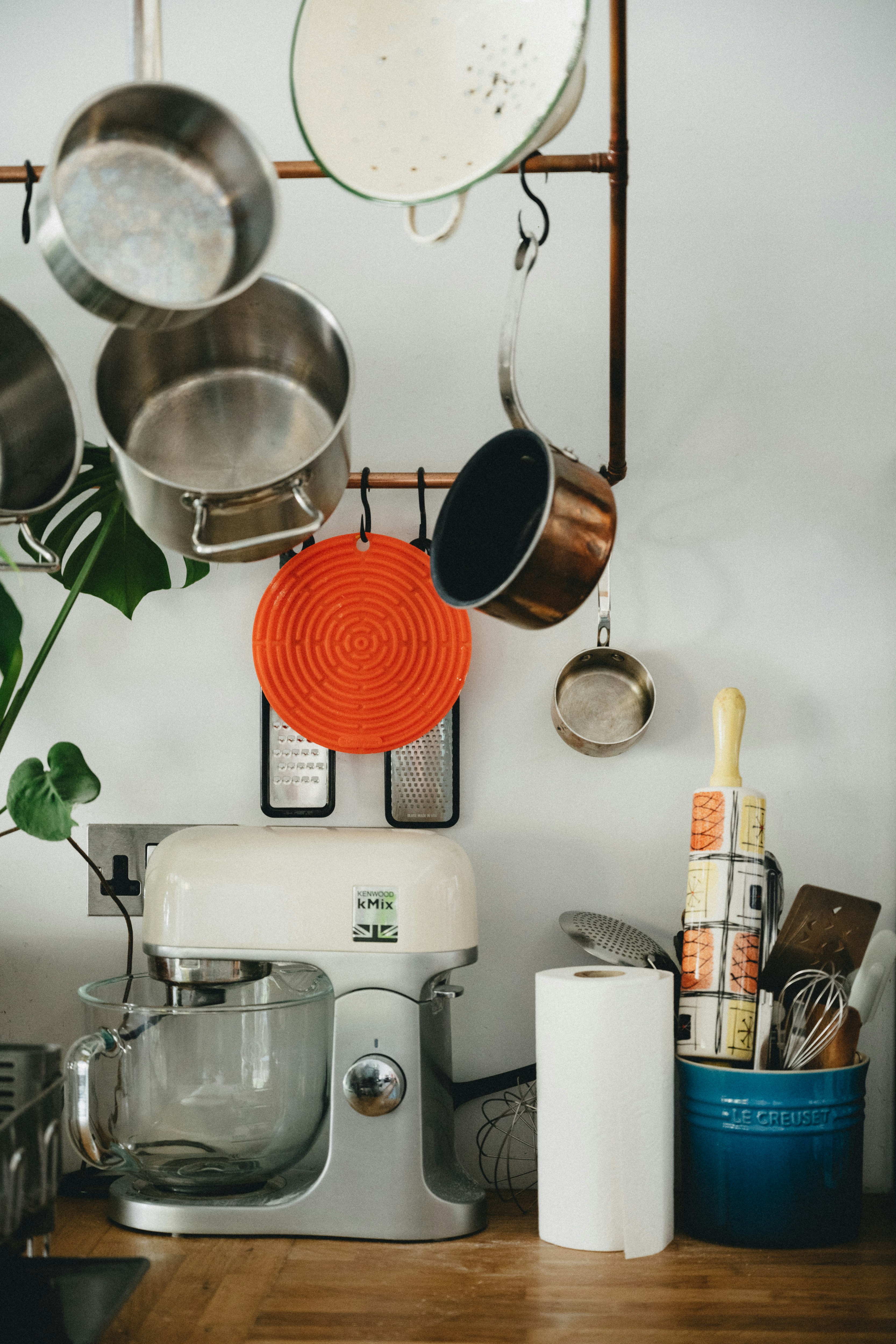
Introduction to Essential Kitchen Tools
In the realm of cooking, the right tools can significantly impact both the experience and the outcome of meal preparation. Essential kitchen tools are not merely instruments; they are the foundation upon which culinary creativity thrives. For both novice and experienced cooks, having the appropriate equipment at one’s disposal can streamline the cooking process, enhance efficiency, and ultimately result in improved culinary achievements.
The importance of essential kitchen tools extends beyond just their functionality. They play a vital role in fostering a positive cooking environment, where the act of creating meals is enjoyable rather than cumbersome. With the right tools, home cooks can experiment with various techniques, prepare a diverse range of dishes, and express their culinary flair with confidence. Whether it’s a high-quality chef’s knife for precise chopping or a reliable pan that delivers even heat distribution, each tool contributes to the overall success of the cooking endeavor.
This blog post aims to provide an overview of ten essential kitchen tools that every home cook should consider integrating into their culinary arsenal. Through a detailed exploration of each tool, the post will highlight its specific functions, significance, and the benefits it brings to cooking. Additionally, readers can expect to find tips on how these tools can be utilized effectively, ensuring that their cooking journey is both productive and rewarding. By the end of this post, home cooks will have a renewed appreciation for the tools at their disposal and how they can elevate the art of cooking.
Chef’s Knife: The Kitchen Workhorse
The chef’s knife is often regarded as the quintessential tool in any kitchen, serving as the primary instrument for an array of culinary tasks. Typically ranging in size from 6 to 12 inches in blade length, this versatile knife can perform multiple functions, including chopping, slicing, dicing, and mincing ingredients. Its design allows for precision and control, making it an indispensable tool for both novice cooks and seasoned chefs.
There are various types of chef’s knives available in the market, each tailored to specific needs and preferences. For instance, traditional French-style knives feature a broader blade, allowing for more rocking motion during chopping. In contrast, Japanese chef’s knives, known as Gyuto, tend to have a thinner and sharper edge, suitable for delicate slicing. When selecting the right chef’s knife, it is crucial to consider personal cooking styles, hand size, and the types of food one frequently prepares, ensuring that the knife feels comfortable and balanced.
Maintaining a chef’s knife is essential for kitchen efficiency and safety. Regular honing helps keep the blade aligned, while periodic sharpening ensures a clean, effective cut. Sharpening can be accomplished with a whetstone, honing rod, or electric sharpener, depending on one’s proficiency and preference. Proper cleaning and storing techniques also extend the knife’s lifespan, such as hand-washing and avoiding immersion in soaking dishes. Ultimately, investing in a high-quality chef’s knife and maintaining it properly can significantly enhance the cooking experience, making it easier and more enjoyable to prepare a variety of dishes.
Cutting Boards: Protecting Your Countertops
Cutting boards are an essential tool in any kitchen, serving as a protective surface for countertops while providing a dedicated area for food preparation. Various types of cutting boards are available, each with its distinct characteristics, including wood, plastic, and bamboo options. Each material has its advantages; for instance, wooden cutting boards are renowned for their durability and ability to self-heal, making them ideal for more delicate tasks, while plastic boards are often easier to sanitize and suitable for raw meats.
It is crucial for home cooks to invest in multiple cutting boards to maintain food safety and prevent cross-contamination. Using separate boards for different food groups—such as vegetables, fruits, and meats—reduces the risk of bacteria transfer, ensuring a safe cooking environment. It is advisable to designate a specific board for raw proteins to minimize exposure to harmful pathogens. Moreover, color-coded cutting boards can facilitate this practice, allowing cooks to easily distinguish between boards meant for different ingredients.
Care and maintenance of cutting boards vary by material. Wooden boards require regular oiling to maintain their quality and protect them from moisture and warping. In contrast, plastic boards can usually be washed in a dishwasher for thorough sanitization. Regardless of the type, it is essential to thoroughly clean cutting boards after use, especially after handling raw meats, to ensure that they remain hygienic and safe for food preparation.
The size and design options of cutting boards should also be considered based on kitchen space and personal cooking habits. Larger boards can accommodate bigger tasks, while smaller, portable options may be practical for compact kitchens. Thus, selecting the right cutting board not only enhances food safety but also contributes to the efficiency of meal preparation.
Measuring Cups and Spoons: Precision in Cooking
Measuring cups and spoons are indispensable tools for any home cook striving for accuracy in the kitchen. The precision they offer is essential for achieving consistent results in both cooking and baking. In the realm of culinary arts, even slight deviations in ingredients can lead to unforeseen consequences, making these measuring tools vital for recipe execution.
There are two main types of measuring tools: liquid measuring cups and dry measuring cups. Liquid measuring cups typically have a spout for pouring and are designed with markings to indicate volume for liquids such as water, milk, or oil. Conversely, dry measuring cups are used for solids and typically come in nested sets, allowing for an accurate scoop without packing down the ingredient. Precision is not just a matter of volume; it also involves understanding the different measuring spoons, which can vary in size, from tablespoons to teaspoons. Using the proper measures for recipes directly impacts taste, texture, and overall quality.
Furthermore, the materials of measuring cups and spoons can also affect their usage. Common materials include plastic, glass, and stainless steel. Each has its advantages; for instance, glass offers durability and transparency, allowing for easy visualization of liquid levels, while stainless steel provides sturdiness and resistance to wear. When choosing measuring tools, it’s essential to consider the specific requirements of your cooking style and preferences.
It is vital to note common measuring mistakes that can occur during the cooking process. For instance, using a liquid measuring cup to measure dry ingredients often leads to inaccuracies. Additionally, failing to level off dry ingredients, such as flour when using a measuring cup, can result in excessive quantities. By avoiding these pitfalls and using measuring cups and spoons correctly, home cooks can ensure that their meals are prepared with the highest accuracy and consistency.
Mixing Bowls: The Foundation of Food Prep
Mixing bowls are an integral part of any home cook’s toolkit. They come in various materials, including glass, metal, and plastic, each offering unique advantages that cater to different culinary tasks. Glass mixing bowls are chemically inert, making them ideal for marinating and mixing acidic ingredients without any reactions. They are also microwave-safe, allowing for easy heating of contents. Metal bowls, on the other hand, are favored for their durability and light weight, often preferred for tasks like whisking egg whites to perfection, as they can handle vigorous mixing without bending or flexing. Plastic mixing bowls provide affordability and versatility, although it is essential to choose BPA-free options for safety when preparing food.
When it comes to sizes and shapes, having a variety of mixing bowls is crucial. Smaller bowls work well for tasks like mixing salad dressings or herbs, while larger ones are indispensable for preparing batters or doughs. Nested mixing bowls can save valuable kitchen space, making it easier to store them efficiently. The design of the bowl can also play a role; deeper bowls are ideal for vigorous stirring, while shallow bowls facilitate even blending without risk of spillage.
Additionally, consider having a set of mixing bowls in various colors and materials. This not only helps with organization but also makes cooking more enjoyable. For example, you might reserve a specific color for preparing batter, while another is designated for salad preparation. To store mixing bowls efficiently, use cabinet space wisely by placing smaller bowls inside larger ones, thus minimizing clutter and enhancing kitchen workflow. Such organization contributes to a more pleasant cooking experience, allowing home cooks to focus on the culinary tasks at hand without unnecessary distractions.
Cooking Utensils: Essential Tools for Every Recipe
Cooking utensils are fundamental tools that facilitate the preparation and serving of meals. A well-equipped kitchen should include a selection of versatile and durable utensils that cater to various cooking techniques. Among the most essential utensils for every home cook are spatulas, wooden spoons, ladles, and tongs, each serving a distinct purpose in the culinary process.
Spatulas, particularly those made from silicone, are invaluable in both cooking and baking. Their flexibility allows for easy flipping, lifting, and spreading, making them ideal for items such as pancakes or cookies. Silicone spatulas are also heat resistant, which allows them to be used safely in high-temperature cooking, ensuring bloggers and home cooks alike can achieve perfect results without worrying about melting. Moreover, the non-stick surfaces of silicone assist in minimizing food waste during preparation.
Wooden spoons are another essential utensil that provides a classic touch to any kitchen. Their natural material is gentle on cookware, particularly non-stick pans, and they resist scratching. These spoons are excellent for stirring and mixing food without retaining heat, preventing burns. Additionally, wooden spoons tend to offer superior control while preparing a variety of dishes, including sauces and soups.
Ladles are specially designed for serving soups, stews, and sauces. A good ladle, often made from stainless steel or high-quality plastic, will allow for efficient pouring and portion control. Meanwhile, tongs provide the ability to grip and turn food items safely, making them indispensable for grilling, frying, or serving. Opting for tongs with silicone tips can prevent scratching on cookware and provide a robust grip on various food types.
Investing in high-quality cooking utensils ensures they withstand regular use and contribute positively to the overall cooking experience. Selecting materials carefully and understanding the purposes of each utensil can enhance not only the cooking process but also the quality of the dishes prepared. By building a solid collection of these fundamental tools, home cooks can explore new recipes with confidence and ease.
Pots and Pans: Versatile Cookware for All Needs
In any kitchen, pots and pans serve as foundational tools that significantly influence the cooking process. Whether you are simmering a delicate sauce or searing a steak, the choice of cookware plays a critical role in the outcome of your dishes. Various types of pots and pans, such as saucepans, skillets, stockpots, and cast-iron skillets, each fulfill distinct culinary needs, making it essential for home cooks to invest in a diverse collection.
When selecting pots and pans, the material is a primary factor to consider. Non-stick cookware is particularly advantageous for tasks that require minimal oil, preventing food from sticking and enabling easy cleanup. Stainless steel pans are valued for their durability and ability to evenly distribute heat, which is crucial for achieving perfect browning. Cast iron skillets, on the other hand, offer excellent heat retention and are perfect for high-temperature cooking, making them ideal for dishes that benefit from a crispy exterior.
Understanding the specific uses for each type of cookware can enhance your culinary proficiency. For instance, a saucepan typically has tall sides and is perfect for boiling, simmering, and making sauces. A skillet, with its wide surface area, excels at frying and sautéing. Stockpots are indispensable for preparations that require large quantities of liquid, such as soups and stews. Meanwhile, the versatility of a cast-iron skillet extends from stovetop to oven, making it suitable for everything from baking cornbread to searing meat.
Ultimately, investing in a range of pots and pans, crafted from varied materials, can equip home cooks with the versatility needed to tackle diverse recipes and cooking techniques effectively. The right cookware leads to improved performance in the kitchen, allowing for a broader range of tastes and textures in homemade dishes.
Baking Sheets and Pan Sets: For the Baking Enthusiast
For anyone passionate about baking, having high-quality baking sheets and pan sets is essential. These tools serve as the foundation for countless recipes, from cookies and brownies to a variety of cakes and muffins. The versatility and reliability of baking sheets and pans directly influence the outcome of baked goods, making them indispensable in any kitchen.
When it comes to baking sheets, there are generally two main types: half-sheet and quarter-sheet pans. Half-sheet pans are more versatile, suitable for larger batches of cookies or roasting vegetables, while quarter-sheet pans are excellent for small portions or oven space optimization. Both styles contribute to even heat distribution, ensuring that items bake uniformly. Opting for heavier, non-stick versions can also prevent sticking and make for an easier release.
Cake pans come in various shapes and sizes, including round, square, and rectangular. Each shape serves a specific purpose, allowing bakers to create everything from layered cakes to sheet cakes. Muffin tins, which can either be standard or oversized, are another crucial component for baking enthusiasts. A silicone muffin tin might be a wise choice due to its flexibility and ease of cleaning, offering an additional layer of convenience.
Proper care of these baking tools is vital to their longevity and performance. It is important to avoid using metal utensils on non-stick surfaces to prevent scratching. Regular hand washing with mild soap and avoiding abrasive cleaners will help maintain their condition. For storage, stacking pans of the same size and placing parchment paper in between can help prevent scratches and extend their lifespan.
By investing in quality baking sheets and an assortment of pans, bakers can ensure that they are equipped to handle any recipe. These tools not only streamline the baking process but also enhance the overall experience of creating delicious treats.
Small Appliances: Time-Saving Kitchen Helpers
In the modern kitchen, small appliances have revolutionized the way home cooks prepare meals, providing time-saving solutions without compromising on quality. Key small appliances, such as blenders, food processors, and slow cookers, play a pivotal role in streamlining cooking processes and enhancing culinary creativity.
Blenders are invaluable tools for preparing a variety of dishes, from smoothies and sauces to soups. A high-quality blender can crush ice, puree fruits, and mix ingredients effortlessly, making it an essential item for health-conscious cooks. When selecting a blender, consider its power rating, blending speed options, and ease of cleaning. Opting for a model with a sturdy base and stainless-steel blades ensures longevity and efficiency.
Food processors, on the other hand, are designed to tackle more demanding tasks like chopping, slicing, and shredding. They significantly reduce prep time, allowing cooks to focus on the cooking rather than the preparation. A versatile food processor typically comes with multiple attachments, enabling a wide range of functions. When choosing a food processor, look for a model that offers the desired capacity, various slicing options, and a reliable motor that can handle tough ingredients.
Slow cookers have gained popularity for their convenience in preparing hearty dishes with minimal effort. They allow food to simmer for hours, resulting in tender and flavorful meals. Ideal for busy individuals, a slow cooker can transform a few simple ingredients into a satisfying dinner by the end of the day. When selecting a slow cooker, consider the size to accommodate your cooking needs and check if it has programmable settings for ease of use.
Ultimately, the right small appliances can greatly enhance efficiency in the kitchen. With these tools at hand, home cooks can simplify their cooking experience and explore a wider array of recipes with confidence. Properly assessing individual cooking habits and selecting appliances that align with these habits is crucial for maximizing efficiency and enjoyment in the kitchen.
Conclusion: Building Your Ideal Kitchen
Equipping your kitchen with essential tools plays a crucial role in enhancing your cooking experience. Each tool, from knives and cutting boards to measuring cups and mixing bowls, contributes to a more efficient and enjoyable culinary environment. The right kitchen tools not only save time and effort but also improve the quality of the food you prepare. By investing in these fundamental instruments, home cooks can elevate their skills, streamline processes, and unleash their creativity.
It is vital for each individual to evaluate their own kitchen and identify which tools they may be lacking. Understanding that every cook is different encourages personalizing your kitchen to suit your unique cooking style and preferences. Consider the meals you enjoy making most, and analyze whether you have the appropriate tools to execute your culinary vision. This self-assessment not only boosts confidence in the kitchen but also fosters a greater appreciation for cooking as a worthwhile endeavor.
Moreover, embracing a mindset of continuous learning can significantly shape one’s culinary journey. Home cooks should stay open to acquiring new skills and perfecting existing techniques. The presence of quality kitchen tools can serve as a catalyst for growth, inspiring experimentation and discovery in cooking. With the right instruments at hand, every cook can feel empowered to venture beyond their typical culinary boundaries, try new recipes, and ultimately enhance their overall cooking prowess.
In conclusion, building your ideal kitchen with these essential tools transforms the cooking experience from routine chores into an exciting and fulfilling adventure. By equipping oneself with the right instruments, you can embark on a rewarding journey of culinary mastery, cooking with confidence and creativity.

